Early harvest – the key to the highest quality
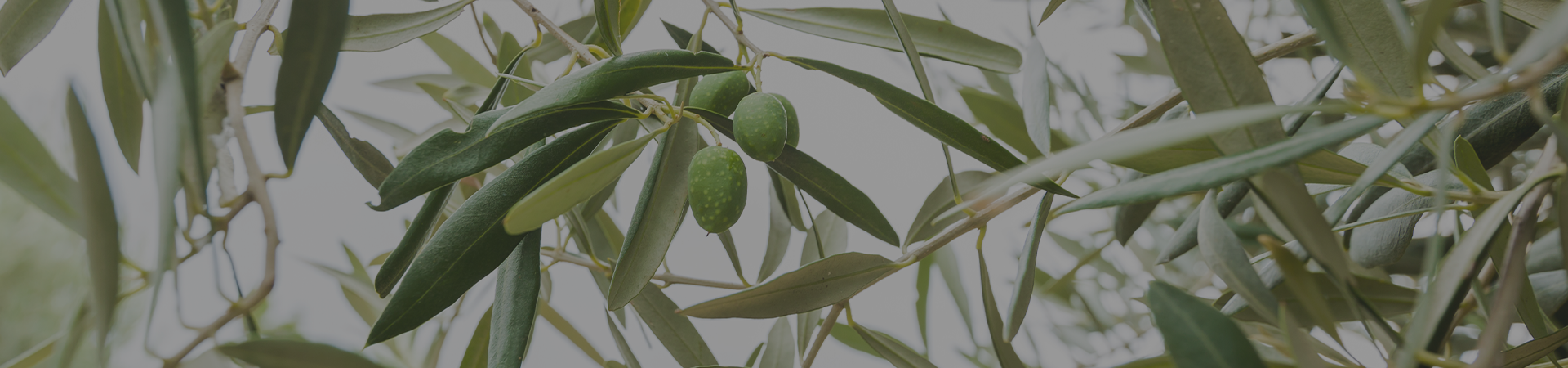
To understand the importance of early harvesting for the quality of olive oil, it is necessary to understand the biological process of olive ripening. The olive fruit has the task of ensuring the reproduction of its species, i.e., a new plant grows from the olive pit. The oil serves as an energy source for the young seedling. The moment the fully ripe, black-colored olive fruit falls from the tree, a decomposition process begins: the oil synthesized from sugars is converted back into water-soluble substances that create a fertile environment for the seedling and supply it with nutrients.
During the ripening process from spring to late autumn, a unique combination of special active ingredients protects the olive from disease and spoilage. These are antioxidants in the form of phenolic compounds and vitamins. However, their content decreases as the fruit ripens. Olives harvested very late or already lying on the ground contain only about 10% of these valuable secondary plant substances.
Many scientific studies have shown that the mixture of polyphenols, tocopherol (vitamin E), carotene (vitamin A), sterols, and other special ingredients in olives also has an extremely positive effect on human health. The key factor here is the high concentration of antioxidant substances, which act as protective agents and radical scavengers.
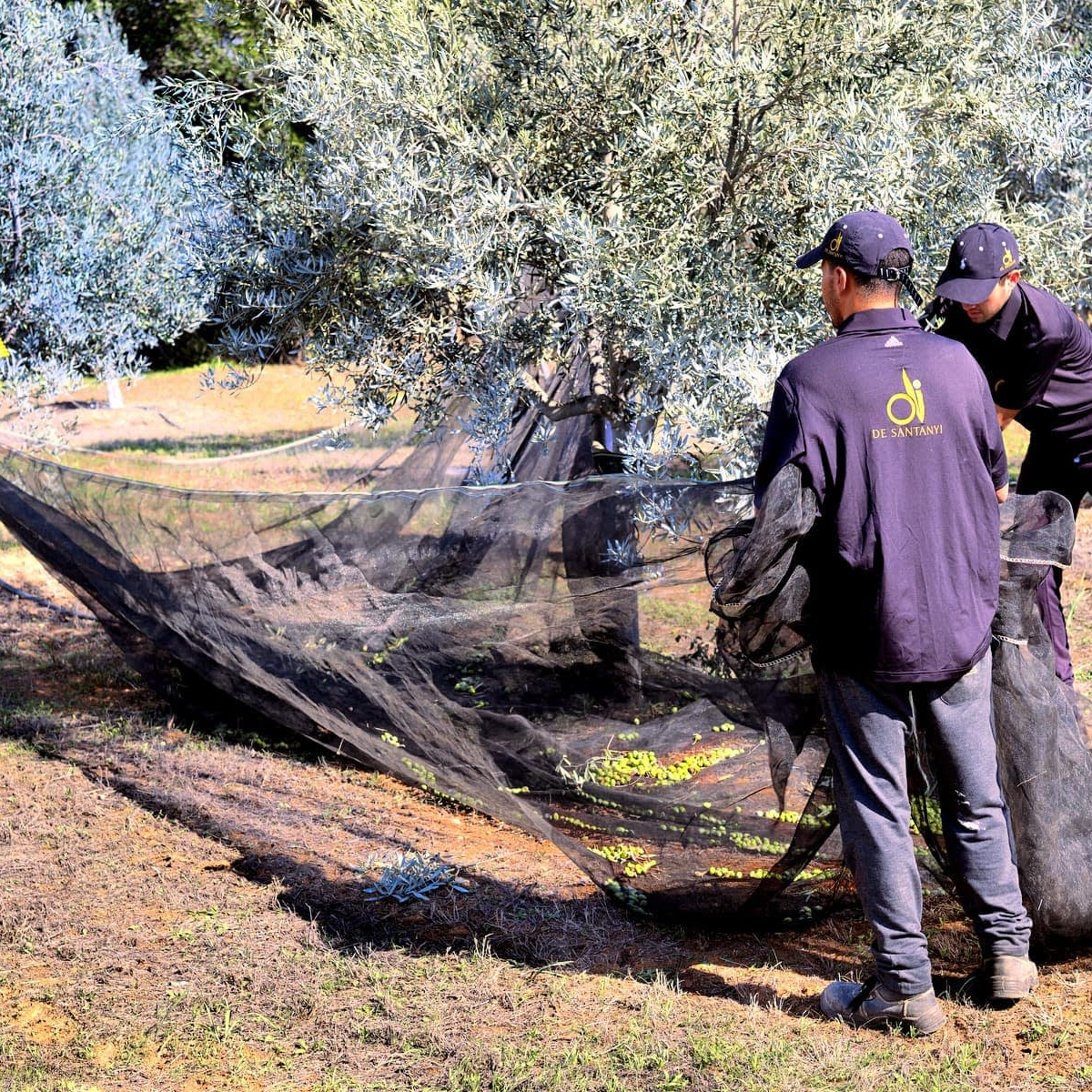
Olives have the highest content of healthy ingredients at the beginning of the ripening phase. That is why early harvesting is an essential quality factor: it guarantees maximum preservation of these secondary plant substances and, in addition to the positive health aspect, also protects the olive oil from aging. However, as the oil yield is significantly lower, most olive oils available on the market come from a late harvest. For connoisseurs, early harvest oil is a real treat; it tastes of fresh green aromas, has a long-lasting fruitiness and a slightly peppery taste.